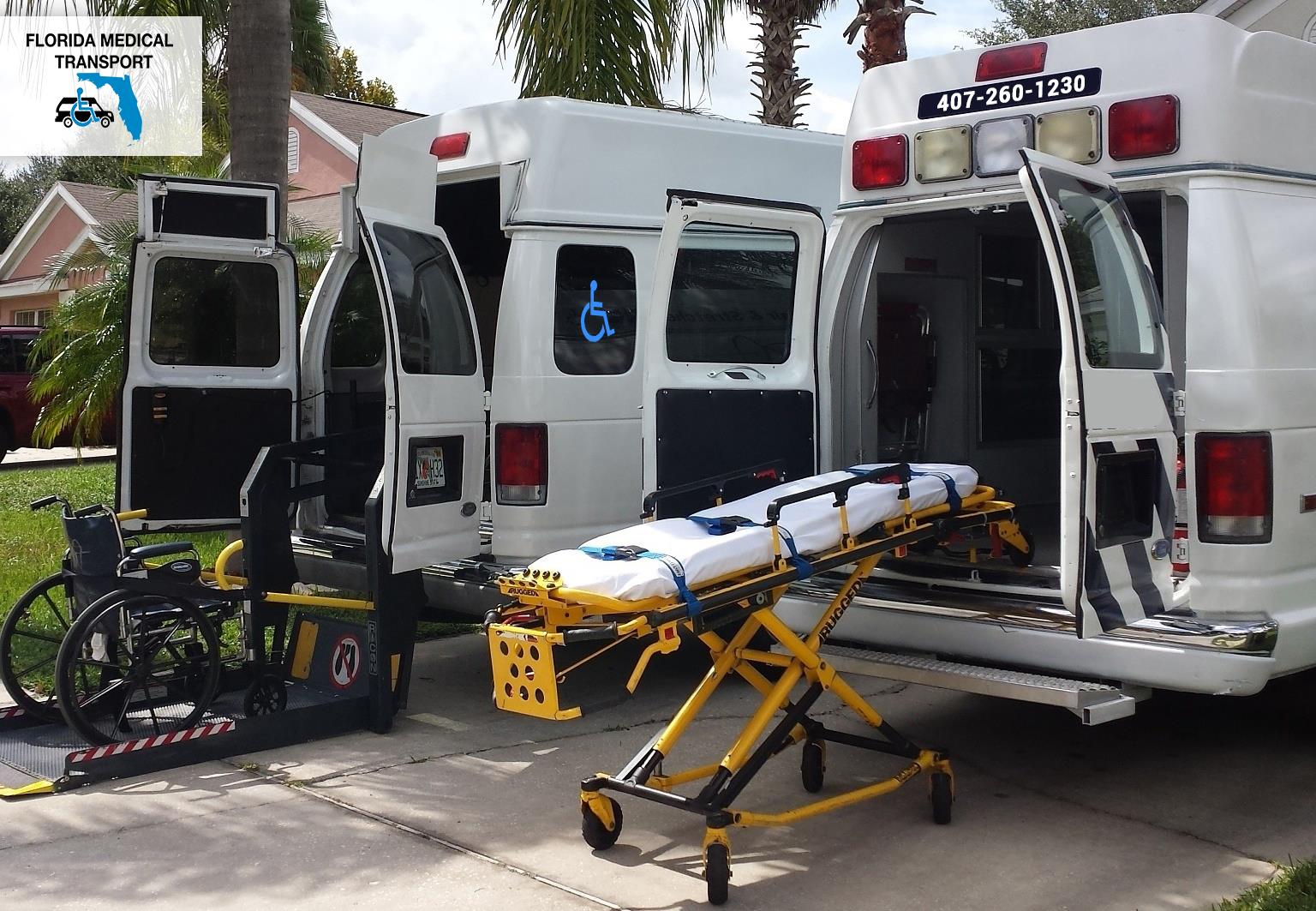
Some patients can't safely sit upright for a car ride at all — whether due to a recent surgery, a spinal condition, severe pain, or a medical device that requires them to stay lying flat. For these situations, stretcher transport is the appropriate level of care, bridging the gap between a standard non-emergency ride and a full ambulance.
Stretcher vehicles are built around the patient staying horizontal and secure for the entire trip. That means a properly mounted gurney, secure restraint straps, smooth suspension to minimize jostling, and trained attendants who understand how to safely load, monitor, and unload a patient who cannot assist with their own movement.
Because stretcher transport is often arranged directly with hospitals, case managers, or long-term care facilities, communication matters just as much as equipment. Pickup windows need to line up with discharge paperwork, nursing handoffs, and facility schedules — so a transport partner that communicates clearly with care teams makes the whole process smoother for patients and staff alike.
Even though stretcher transport is a higher level of service, the goal is the same as any non-emergency ride: get the patient there safely, on time, and without unnecessary stress. That means climate-controlled vehicles, a calm demeanor from the crew, and clear communication with family members waiting on the other end.
The driver was patient with my mom getting in and out of the wheelchair lift. So kind and gentle the entire ride.

The crew from Florida Medical Transport were awesome. We needed to leave a facility that was not helpful and Florida Medical Transport saved the day. We are definitely using them in the future.
The folks at Florida Medical Transport are so wonderful. My husband's trip from Oviedo to Weeki Wachee was so comfortable and also timely. Reginaldo the driver was fantastic. Thank you guys.