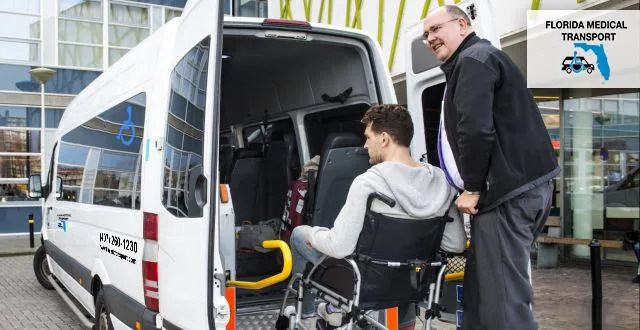
For patients who use a wheelchair full-time or during recovery, getting to a doctor's appointment shouldn't be the hardest part of the day. Standard vehicles aren't built for safe wheelchair boarding, and rideshare drivers aren't trained in secure transfers or mobility equipment. That gap is exactly why non-emergency wheelchair van transportation exists — to give patients a dependable, dignified way to get where they need to go.
At Florida Medical Transport, every wheelchair-accessible vehicle is equipped with hydraulic lifts or ramps and four-point wheelchair securement systems, so the chair is locked safely in place before the vehicle ever moves. Drivers are trained specifically in mobility assistance, from curb-to-curb pickup to helping a passenger safely board and exit.
Wheelchair transportation isn't just for a single type of rider. It supports dialysis patients heading to recurring treatments, seniors traveling to specialist visits, individuals recovering from surgery, and people with long-term mobility conditions who simply need a reliable ride to daily life — appointments, errands, and family visits included.
Not all transportation services are equipped the same way. Families should ask whether vehicles have working lifts (not just ramps), whether securement systems are inspected regularly, and whether drivers carry specific training in assisting wheelchair users. Reliability matters too — a missed pickup can mean a missed dialysis session or a rescheduled procedure.
The driver was patient with my mom getting in and out of the wheelchair lift. So kind and gentle the entire ride.

The crew from Florida Medical Transport were awesome. We needed to leave a facility that was not helpful and Florida Medical Transport saved the day. We are definitely using them in the future.
The folks at Florida Medical Transport are so wonderful. My husband's trip from Oviedo to Weeki Wachee was so comfortable and also timely. Reginaldo the driver was fantastic. Thank you guys.